Cheng Bo, Deputy Director of the Mining Consulting Department of Beijing Suntrans, was invited to attend the 2025 China Lithium Industry Development Conference held in Xiamen, Fujian Province, from November 20 to 21, where he delivered a special keynote speech. Serving as a critical exchange platform for China’s lithium‑industry advancement from a "large resource‑rich nation" toward a "powerhouse in the lithium‑industry", the conference was hosted by the China Inorganic Salts Industry Association, co‑organized and co‑sponsored by leading enterprises including Zangge Mining and Zangge Lithium. It was jointly undertaken by the Lithium Salt Branch of the China Inorganic Salts Industry Association and the Qinghai Salt Lake Institute of the Chinese Academy of Sciences. The event focused on core themes including lithium‑industry policy interpretation, technological innovation and environmental governance. Cheng Bo from Suntrans delivered a keynote speech entitled Rational Return and Value Re‑evaluation — Low‑level Equilibrium and Supply‑demand Restructuring in the Lithium Carbonate Market, offering professional market analysis and trend judgment for the industry.
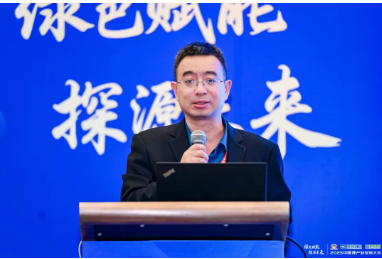
阳光创译矿业咨询部副主任程波在2025中国锂产业发展大会发表专题演讲
Cheng Bo, Deputy Director of Mining Consulting Department at Suntrans, Delivers Special Keynote at 2025 China Lithium Industry Development Conference
To build coordinated links between industrial environmental protection and the new‑energy industry, on November 20, the 2025 China Lithium Industry Development Conference and the 2025 Conference on Technological Breakthroughs and Industrial Application of Zero‑Liquid‑Discharge for Industrial Wastewater, co‑hosted by the Beijing Fandi Energy Consulting Center, China Inorganic Salts Industry Association and China Coal Processing and Utilization Association, grandly opened simultaneously at Howard Johnson Jimei Lake Hotel in Xiamen. Under the theme of "Empowering Green Development, Exploring Future Origins", the two well‑aligned conferences injected robust momentum into China’s industrial green upgrading and the high‑quality development of the lithium‑battery sector.
The summit gathered heavyweight guests from government, enterprises and research institutions. In terms of government and industry associations, policy experts such as Yuan Longhua, former Deputy Director‑General of the Raw Materials Department of the Ministry of Industry and Information Technology, and Wang Jian, former Deputy Director‑General of the EIA Department of the Ministry of Ecology and Environment attended the event. Wang Xiaofeng, President of China Inorganic Salts Industry Association, and Zheng Shili, President of the Lithium Salt Branch, presided over the whole conference. The research community featured top scholars from institutions including the Qinghai Salt Lake Institute of the Chinese Academy of Sciences, Chinese Research Academy of Environmental Sciences and Central South University. Enterprise representatives covered senior management from full‑chain key lithium‑industry players such as Zangge Mining, Zijin Mining, Tianqi Lithium and Sunwoda. Nearly 30 core enterprises confirmed participation merely in the closed‑door session, covering segmented fields including salt‑lake exploitation, lithium‑salt production and battery manufacturing. In addition, specialists from supporting service organizations including Beijing Suntrans took part in industry analysis sessions.
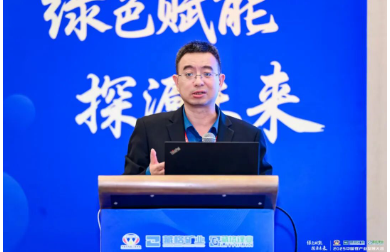
As a representative attendee, Cheng Bo, Deputy Director and Senior Analyst of the Mining Consulting Department at Suntrans, gave a special keynote speech in the official agenda. His presentation, Rational Return and Value Re‑evaluation — Low‑level Equilibrium and Supply‑demand Restructuring in the Lithium Carbonate Market, addressed core topics of the current lithium‑carbonate market and provided professional insights for industrial development.
According to Cheng Bo of Suntrans, the lithium‑carbonate market has gone through a dramatic price cycle in recent years and is now at a pivotal juncture for value re‑evaluation. Looking back on market history, lithium‑carbonate prices stabilized within the range of RMB 100,000‑200,000 per tonne from 2017 to 2018, surged sharply to nearly RMB 600,000 per tonne during 2021‑2022, and have since lingered below RMB 100,000 per tonne. Such drastic fluctuations are not only a direct reflection of supply‑demand swings but also reveal the inherent law of industrial evolution from irrational prosperity toward rational return. Following drastic market adjustments, it has become an urgent requirement for industry participants to set aside short‑term price volatility and re‑examine the underlying logic, value positioning and future trends of the lithium‑carbonate market from a rational perspective — which also constitutes the core starting point of this analysis.
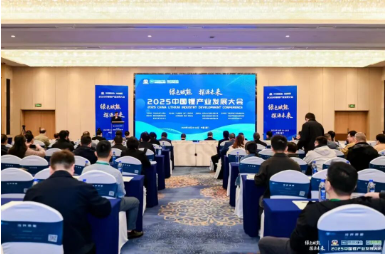
2025中国锂产业发展大会会议现场
The rational return of price cycles stands out as the most prominent feature of the present‑day lithium‑carbonate market, essentially representing the market’s re‑positioning of lithium‑resource value. The price surge of 2021‑2022 was not entirely driven by natural market supply and demand. Australian lithium‑mining enterprises exerted critical market influence through auction‑based pricing‑and‑volume‑control mechanisms. Taking Pilbara’s standard‑grade lithium spodumene concentrate as an example, its auction price rocketed from USD 1,250 per tonne in July 2021 to USD 7,805 per tonne in November 2022. Such an irrational surge, decoupled from production costs and real demand, sowed hidden risks for subsequent sharp price corrections.
Lithium‑carbonate prices embarked on a rapid downward trajectory starting in December 2022. This adjustment was no accident but a self‑correction by market mechanisms. Current lithium prices below RMB 100,000 per tonne signal that the market has bid farewell to the prior bubble phase and entered a value‑re‑evaluation period. This price level better matches the real production costs and reasonable profit margins of lithium resources. It helps curb impulsive blind expansion within the sector, steers the industry away from "price mania" toward rational development, and lays foundations for the long‑term sound and stable operation of the industry.
Cheng Bo from Suntrans pointed out that the supply side presents a complex landscape featuring aggregate‑volume growth alongside structural contradictions, as the industry gradually transitions from high‑speed expansion toward mature development. In terms of output statistics, China’s primary lithium‑salt output has maintained double‑digit growth, yet its growth rate has slowed markedly. H1 2025 growth fell to 14.5 %, well below the annual average of over 30 % recorded in the preceding four years. This shift clearly indicates that the hyper‑growth era of the lithium‑carbonate sector is drawing to a close amid expanding production‑volume bases, and capacity expansion is becoming more rational.
Nevertheless, structural contradictions on the supply side have become increasingly acute. Despite continuous output growth, capacity‑utilization rates remain severely insufficient, far short of the 80 % safe operating benchmark widely adopted across industrial sectors. Rooted in excessive investment and reckless capacity expansion driven by high‑profit expectations in earlier years, abundant low‑efficiency capacities trigger resource waste and aggravate supply‑demand imbalances, indicating that industrial consolidation and phasing‑out of backward capacities are inevitable.
On the product‑structure front, the output ratio between lithium carbonate and lithium hydroxide has gradually shifted from the historical 60:40 to 65:35, precisely reflecting adjustments in downstream demand structures. Driven by the rapid expansion of the energy‑storage market, demand for lithium‑iron‑phosphate batteries featuring superior safety and cost‑performance has soared. As the core raw material for lithium‑iron‑phosphate batteries, lithium carbonate enjoys robust market demand, further propelling continuous optimization of product mixes.
The demand side is undergoing a major shift in growth drivers, evolving from new‑energy‑vehicle‑driven single‑engine growth to a dual‑driven pattern led by both new‑energy vehicles and energy storage. The new‑energy‑vehicle sector has long underpinned lithium demand. New‑energy‑vehicle sales hit 12.866 million units in 2024, with a penetration rate of 40.9 %; the penetration rate neared 50 % between January and October of 2025. It is noteworthy, however, that the growth rate of the new‑energy‑vehicle industry will gradually drop below 20 %, and its pull on lithium demand will moderate from explosive expansion to steady growth.
The energy‑storage market is emerging as a fresh growth engine for lithium consumption. Propelled by the fast‑growth renewable‑energy sector, wind‑and‑solar power installation capacity accounted for 42 % of total installed capacity in 2024; the figure rose further to 45.96 % from January to September 2025, surpassing thermal‑power share by 5.5 percentage points for the first time. The intermittency and volatility of wind and solar power generate rigid demand for supporting energy‑storage facilities, opening up huge market space for lithium‑battery energy storage. Demand for safer lithium‑iron‑phosphate batteries keeps rising, and such batteries will maintain a dominant position in the energy‑storage space over the long run, serving as a core driver boosting lithium‑carbonate consumption. This dual‑driven demand landscape will deliver more stable and sustainable growth momentum for the lithium‑carbonate market.
The lithium‑carbonate industry is experiencing drastic structural reshuffling that redefines corporate competitiveness. The end of the "excessive‑profit era" compels industrial transformation. In H1 2025, total revenue from lithium‑compound products of 14 major primary lithium‑salt enterprises reached merely RMB 18.135 billion, equivalent to 40 % of the figure for the same period of 2024; comprehensive gross profit margins slumped to 11.5 %. Sharp declines in revenue and profits mark the end of high‑profit days for the industry. Enterprises must abandon extensive development modes and rethink pathways for building core competitiveness.
Resource‑endowment deployment has become critical for enterprises to hedge market risks. Under low‑price market conditions, companies holding high‑quality resources demonstrate stronger risk‑resilience. Benefiting from resource advantages of the Greenbushes Lithium Mine, Tianqi Lithium posts gross profit margins well above industry averages. Relying on low‑cost salt‑lake resources, Salt Lake Co., Ltd. maintains solid profitability even amid price downturns. By contrast, enterprises lacking stable resource guarantees and dependent on externally‑sourced raw materials face heavy operational pressure and even risks of being eliminated from the market.
The trend toward higher industrial concentration is growing more prominent, and industrial consolidation is accelerating. Zijin Mining actively integrates premium salt‑lake lithium resources through equity acquisitions in Zangge Mining and other lithium‑asset deals. The establishment of China Salt Lake Group will facilitate intensive and large‑scale exploitation of salt‑lake resources on the Qinghai‑Tibet Plateau. Leading players such as Ganfeng Lithium have rolled out massive capacity‑expansion plans. These initiatives help optimize industrial layouts, phase out low‑efficiency capacities, and lift overall industry risk‑resistance and international competitiveness.
Cheng Bo of Suntrans stated that against globalization, profound shifts are unfolding in the global competitive landscape of the lithium‑carbonate market, bringing new opportunities and challenges for Chinese enterprises. The "Lithium Triangle" in Latin America, endowed with abundant salt‑lake lithium resources, has become a new focal point of global lithium‑industry competition. Argentina may gradually release nearly 400,000 tonnes of lithium‑carbonate‑equivalent capacity between 2023 and 2025. Such new supply will exert far‑reaching impacts on global supply‑demand patterns and reshape the global lithium‑resource supply map.
Chinese enterprises are actively participating in global lithium‑resource deployment. Nevertheless, equity‑held capacity of Chinese‑funded players remains relatively low judging from equity structures of Argentine projects, and their discourse power within global value chains needs improvement. Chinese enterprises must accelerate upgrading international‑operation capabilities and secure more favorable positions in global‑resource development via technology export and capital cooperation. Meanwhile, lithium‑spodumene import patterns have changed markedly, shifting from Australia’s prior monopolistic dominance to a diversified structure of "Australia‑centered with African supplies as supplements". Imports from Africa reached approximately 2.4 million tonnes from January to September 2025 with substantially elevated proportion. Diversified import sources effectively mitigate supply‑chain risks and strengthen supply‑chain security for China’s lithium industry.
Evolving policy frameworks set new development norms for the lithium‑carbonate sector; compliant operation and green development have become basic prerequisites for corporate survival. The formal implementation of the new Mineral Resources Law ushers in a new phase of standardized and refined industrial regulation. Policies tighten oversight over lithium‑bearing ceramic soil and strengthen supervision for salt‑lake‑brine exploitation, reflecting national emphasis on rational lithium‑resource development and ecological‑environment conservation.
At the local level, Yichun in Jiangxi Province pushes forward formalization rectification for mines. Eight mining rights requiring re‑classification as "lithium mines" involve leading enterprises including CATL and Gotion High‑Tech. Such moves underscore the stringency of policy enforcement and oblige enterprises to adapt to updated regulatory requirements and standardize mining‑right administration and exploitation activities. Guided by policies, compliant operation and green development are no longer "bonus items" but thresholds for market access and sustained growth. Only enterprises meeting environmental‑protection, safety and comprehensive‑resource‑utilization standards can survive within the industry.
Cheng Bo from Suntrans commented that facing the new‑market landscape, lithium‑carbonate enterprises must pursue high‑quality‑development pathways and build new value‑creation models to prevail in fierce competition. Under current low‑price conditions, cost control constitutes core corporate competitiveness. The cost advantages of salt‑lake lithium‑extraction become more conspicuous amid price slumps. Supported by salt‑lake‑resource cost edges, enterprises such as Zangge Mining and Xizang Mining maintain sound gross‑profit‑margin performance. Going forward, enterprises need to extend domestic cost‑control experience to international markets and further consolidate cost advantages through participation in global‑capacity cooperation.
The importance of industrial‑chain integration and synergies is increasingly highlighted. China Minmetals Group realizes coordinated development across lithium, nickel and cobalt resources via integration of Salt Lake Co., Ltd. Huayou Cobalt gradually expands its business scope from cobalt‑copper‑centric operations into nickel and lithium sectors and builds diversified business portfolios. Such vertical‑integration and‑diversification development models can effectively disperse risks and enhance anti‑cyclical capabilities. Furthermore, technological innovation acts as a pivotal lever for value creation. Whether lifting capacity‑utilization ratios, optimizing production workflows, advancing comprehensive‑resource utilization or developing high‑value‑added new products, technological‑innovation support is indispensable. In the future, technological innovation will serve as the core factor differentiating enterprises and shaping core competitiveness.
Cheng Bo of Suntrans concluded that the lithium‑carbonate market is undergoing a profound transition from price‑driven growth to value‑driven development. Current low‑price conditions do not represent temporary market swings but reflect the essential features of a maturing industry. It is projected that oversupply or loosely‑balanced supply‑demand conditions will persist over the next 3‑5 years, and the market will hardly replicate previous skyrocketing price rallies.
Against this backdrop, enterprises need to re‑orient their value‑creation logics. On the resource side, efforts should focus on securing low‑cost equity‑held resources to consolidate cost foundations. On the production side, operational efficiency shall keep improving and losses shall be reduced. On the technology side, breakthrough innovations shall be pursued to boost product added‑value. On the management side, compliance shall be strengthened to align with policy orientations. Only by establishing solid competitive advantages in these dimensions can enterprises stand out amid industrial restructuring.
Even though the market is in an adjustment phase, lithium’s long‑term value as a key strategic resource for the new‑energy revolution remains unquestionable. Ongoing market adjustments represent an inevitable stage toward industrial maturity, as well as a critical opportunity to phase out backward capacities and foster high‑quality enterprises. Through supply‑side optimization, demand‑side expansion, technological upgrading and global‑layout initiatives, China’s lithium‑carbonate industry is poised to achieve high‑quality development and play a more important role in global‑energy transition. This round of value re‑evaluation does not negate the value of the lithium industry; instead, it enables clearer recognition of its long‑term worth and ultimately propels the industry toward a healthier and more sustainable development trajectory.
Three major dimensions demonstrate the value of this conference: first, building channels for policy communication to help enterprises accurately grasp industrial orientations; second, accelerating technology transformation by matching scientific‑research outputs with corporate practices to realize advanced‑technology implementation; third, delivering environmental‑protection solutions for western salt‑lake development and facilitating balanced progress between resource utilization and ecological conservation. Overall, characterized by full‑chain coverage and multi‑dimensional exchanges, the conference provides powerful impetus for China’s lithium‑industry transformation from a "resource‑rich large nation" to an "industrial powerhouse".
For Suntrans, this conference serves as a vital showcase of its industrial‑service capabilities. Cheng Bo’s special keynote and the company’s in‑depth participation communicate Suntrans’s professional strengths in mining consulting and market analysis across the whole industry, breaking stereotyped perceptions of traditional translation‑service agencies and highlighting its composite‑service advantages of "translation plus consulting". Leveraging the resource‑aggregation effect of the conference, Suntrans lays foundations for further expanding full‑chain services for the lithium industry. Meanwhile, its appearance as a benchmark supporting‑service player further elevates brand visibility and influence within geological‑mining service sectors and strengthens its core competitive edges in niche tracks.
← Back